Stage 1
Learning
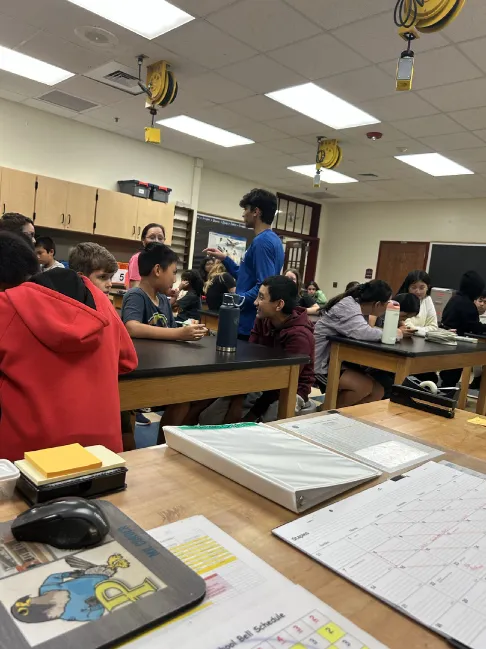
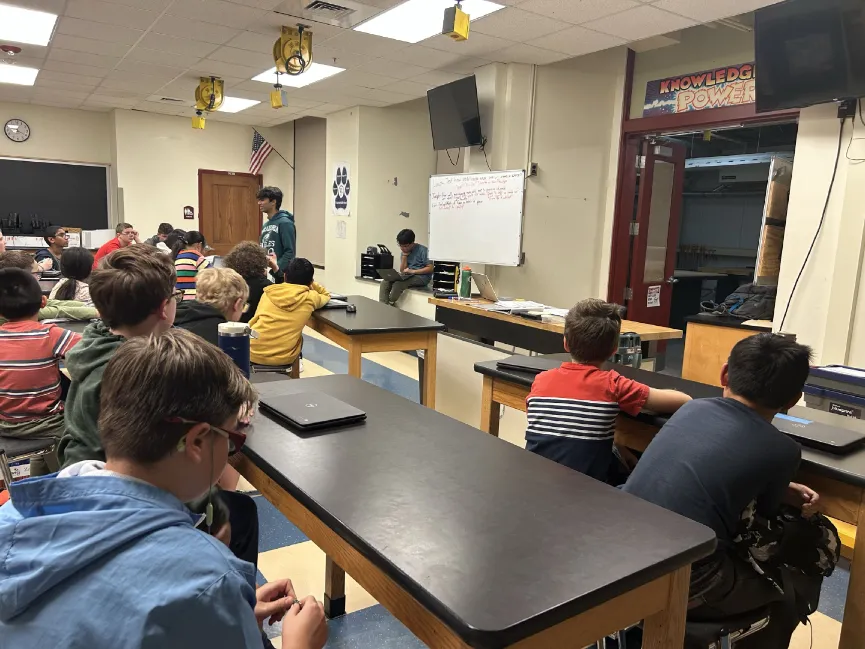
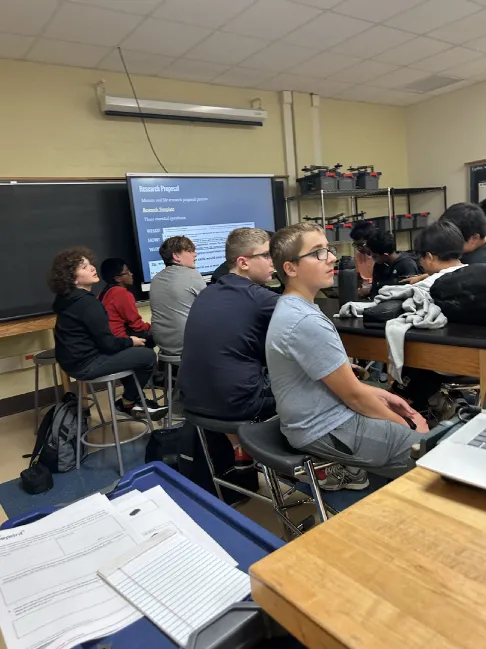
Students learn how payloads work in space, what the atmosphere does to them, and what to account for when designing for it.
From first lesson to flight hardware, in four stages.
Students learn how payloads work in space, what the atmosphere does to them, and what to account for when designing for it.
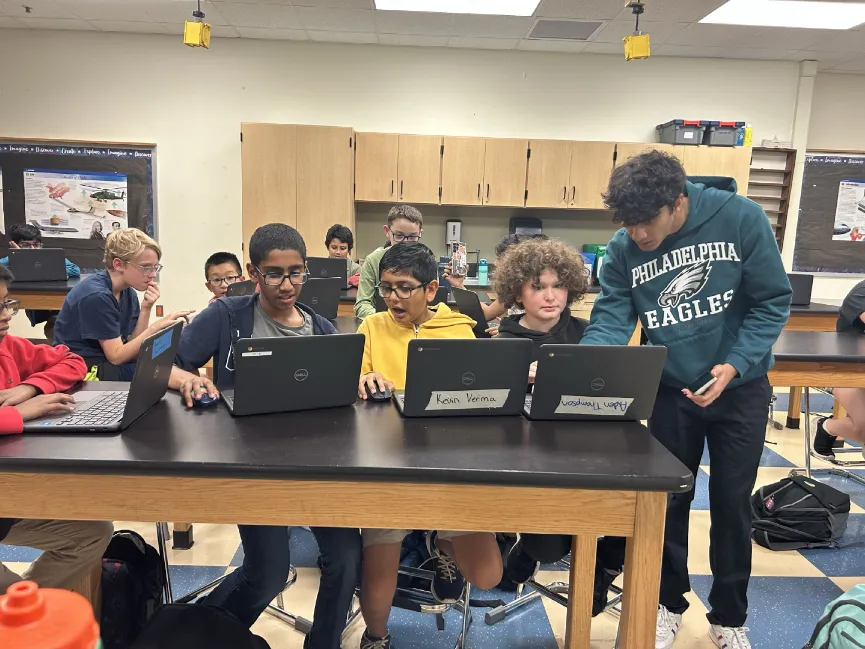
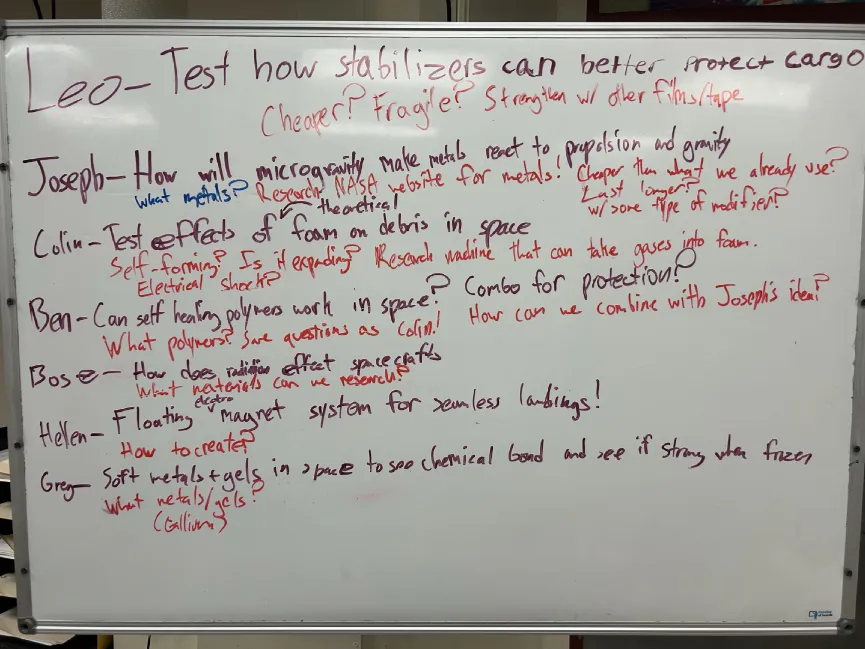
Students take control. They develop the ideas, and we work through them together until they become research studies for NASA.
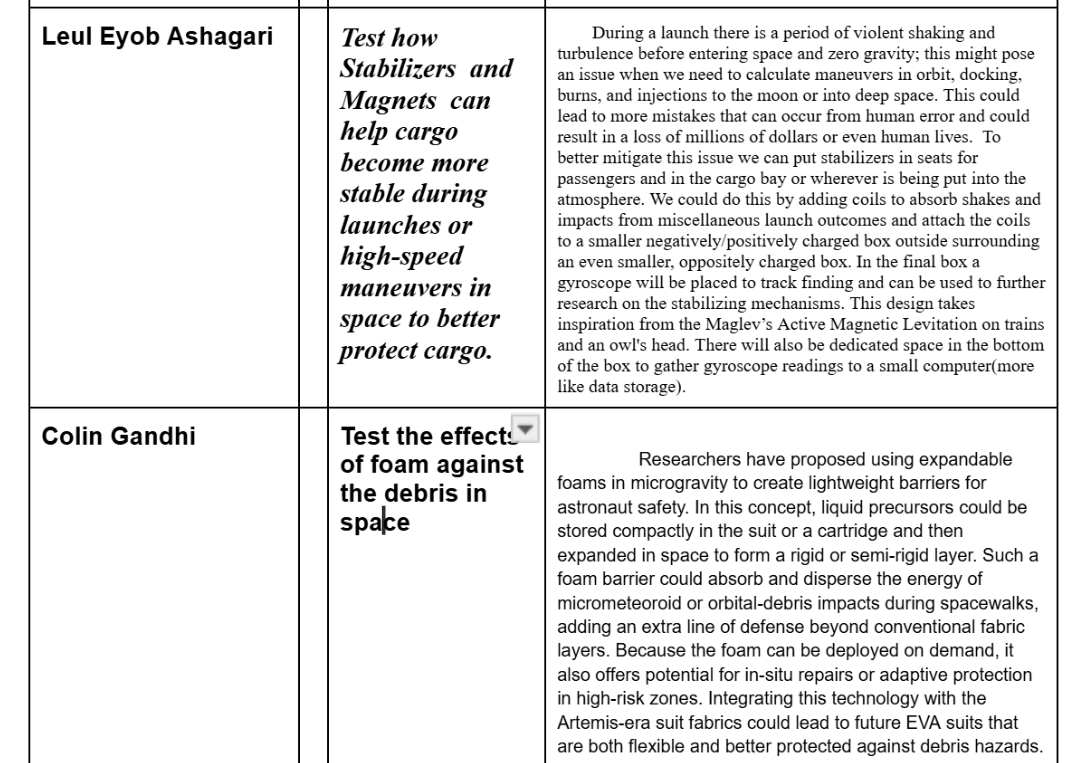
Students write their proposals for the NASA TechRise Student Challenge, with a full design description, schematics and hardware specifics.
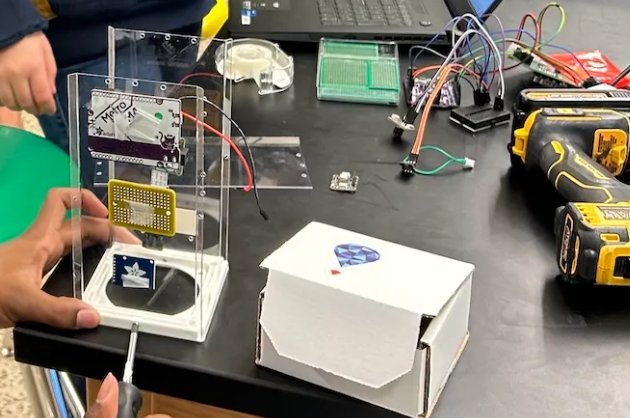
Students get the chance to launch their experiment to space if their proposal is awarded a grant through the TechRise Challenge.
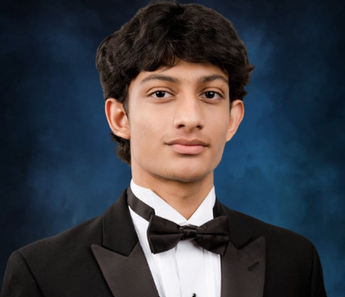
Founder
Ameet is a 17-year-old from Delaware who started CircuitSavvy to lower the barrier to entry to engineering and to give STEM opportunities to areas without the resources.
Want to bring CircuitSavvy to your school, support the program, or get involved?
hello@circuitsavvy.org